Lantang Region
The Langtang Region is one of Nepal’s most accessible and scenic trekking destinations, offering a perfect blend of pristine mountain landscapes, rich Tibetan-influenced culture, and serene high-altitude lakes. Located just north of Kathmandu in the Langtang National Park, this region stretches across the Langtang Valley and neighboring highlands. It is dominated by towering peaks such as Langtang Lirung (7,227m), Gosainkunda Peak, and Ganesh Himal, creating awe-inspiring scenery at every turn.
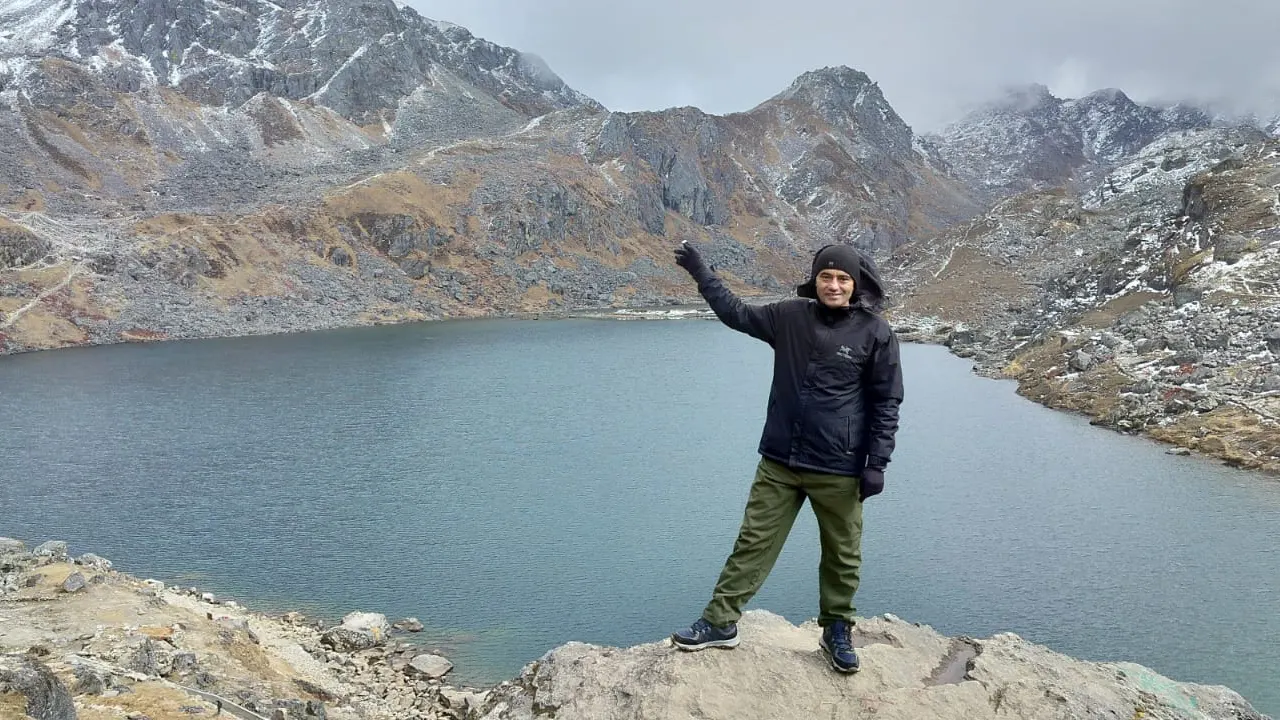
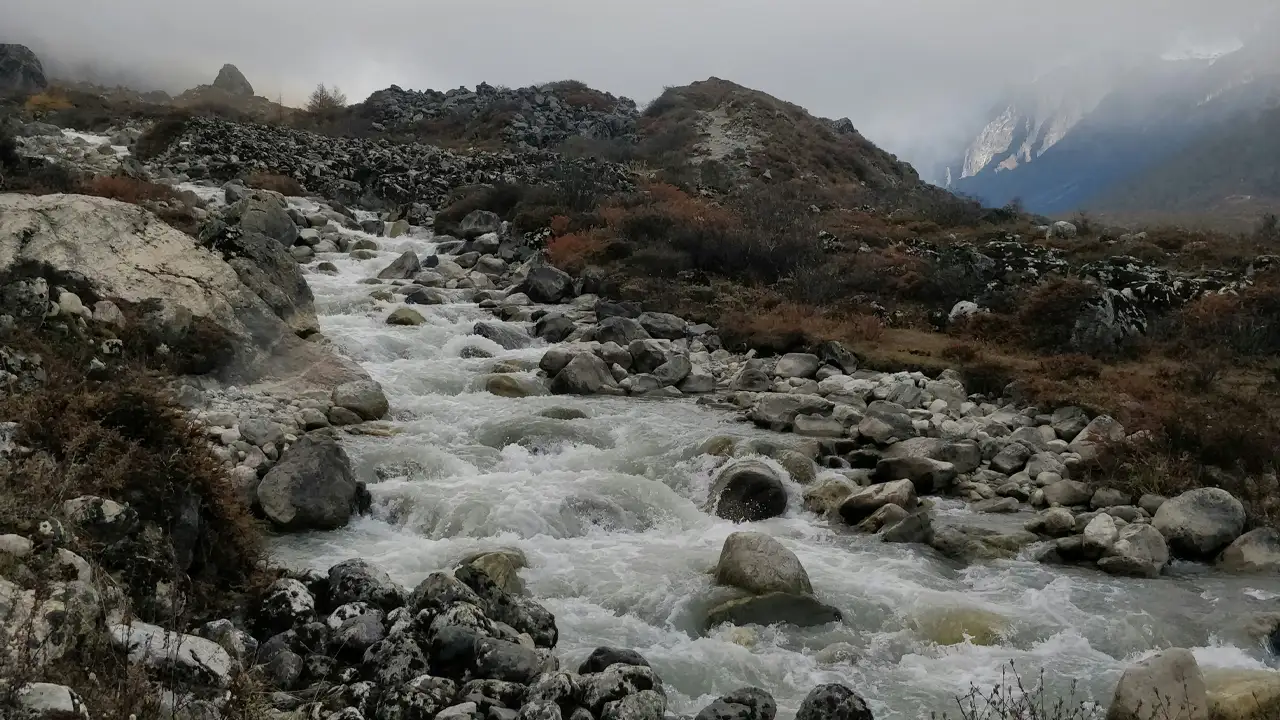
Langtang is famous for its dramatic landscapes within a compact area. Trekkers pass through rhododendron forests, terraced fields, suspension bridges, rivers, alpine meadows, and glacial moraines. Unlike Everest or Annapurna, Langtang provides a quieter, less crowded trekking experience, making it ideal for travelers seeking both adventure and serenity. Highlights include the sacred Gosainkunda Lake, Langtang Village, and stunning views of Himalayan giants along the valley.
History of the Langtang Region
Langtang has been home to the Tamang people for centuries, whose culture is closely influenced by Tibetan Buddhism. Tamang villages feature traditional stone houses, prayer flags, mani walls, and Buddhist monasteries. Festivals like Lhosar are celebrated with mask dances, music, and rituals, giving trekkers a chance to witness authentic Himalayan culture.
The region became internationally known in the 1970s as trekking in Nepal expanded beyond Everest. Langtang was recognized for its natural beauty, manageable trekking difficulty, and cultural richness. Unfortunately, the 2015 earthquake devastated parts of the valley, but reconstruction and tourism revival have restored much of its charm while promoting safer infrastructure.
Geography and Landscape of the Langtang Region
The Langtang Region offers a dramatic mix of terrains:
-
Deep river valleys and terraced fields at lower altitudes
-
Dense rhododendron and pine forests
-
Alpine meadows and glacial moraines above 3,500m
-
Sacred lakes like Gosainkunda (4,380m)
-
Majestic Himalayan peaks including Langtang Lirung and Ganesh Himal
Altitude ranges from around 1,500 meters in Syabrubesi to over 4,300 meters at Gosainkunda Lake. This diversity allows trekkers to experience subtropical forests, snow-covered peaks, and alpine landscapes all within a compact area.
Culture and Lifestyle in the Langtang Region
The Tamang and Sherpa communities dominate the Langtang Region. Their lifestyle includes animal husbandry, subsistence farming, and guiding trekkers. Monasteries and prayer flags are common along the trail, and local cuisine features staples like Dal Bhat, momo, and yak-based dishes. Visitors can experience warm hospitality, homestays, and cultural insights into Buddhist practices.
Popular Trekking Packages in the Langtang Region
-
Langtang Valley Trek (7–10 Days) – Classic trek through forests, villages, and alpine landscapes to Langtang Village.
-
Gosainkunda Lake Trek (9–12 Days) – Includes the sacred Gosainkunda Lake, ideal for spiritual and scenic experiences.
-
Langtang Helambu Trek (10–12 Days) – Combines Helambu and Langtang regions for moderate trekking with cultural immersion.
-
Langtang Lirung View Trek (7–9 Days) – Shorter trek focusing on mountain views and alpine meadows.
Why the Langtang Region is the Best Trekking Region in Nepal
-
Close to Kathmandu – Easy access for travelers with limited time.
-
Less Crowded Trails – Offers a peaceful alternative to Everest and Annapurna.
-
Cultural Depth – Rich Tamang and Sherpa heritage with monasteries and traditional villages.
-
Natural Diversity – Forests, alpine meadows, glaciers, and sacred lakes all in one region.
-
Moderate Trekking Difficulty – Ideal for first-time trekkers and moderate-level hikers.
Climate and Best Time to Visit
-
Spring (March–May) – Clear skies, rhododendron blooms, pleasant temperatures.
-
Autumn (September–November) – Stable weather, crystal-clear mountain views.
-
Winter (December–February) – Cold but quiet, minimal tourist crowds.
-
Monsoon (June–August) – Heavy rain, muddy trails, limited visibility in lower valleys.
Permits Required for Langtang Region
-
Langtang National Park Entry Permit
-
TIMS Card (Trekkers’ Information Management System)
These permits support conservation and local community development.
Accommodation and Food
The Langtang Region relies on teahouse and lodge accommodations:
-
Twin-sharing rooms with basic amenities
-
Heated dining halls at higher elevations
-
Local and international menu options including Nepali staples, noodles, and soups
-
Homestay options for cultural immersion
Altitude and Safety
Most Langtang treks reach 4,000–4,300 meters. Proper acclimatization is necessary, especially near Gosainkunda Lake. Emergency evacuation by helicopter is available in case of altitude sickness or injury.
Shalom Adventure Holidays – Our Specialty in the Langtang Region
At Shalom Adventure Holidays, we focus on:
-
Experienced Tamang and Sherpa guides for cultural and safe trekking
-
Small groups for personalized service and flexibility
-
Carefully designed itineraries for acclimatization and comfort
-
Emphasis on responsible tourism and community support
We ensure every traveler experiences the Langtang Region safely while enjoying its unique natural beauty, cultural richness, and peaceful atmosphere.